I do not think AI SDR tools should be judged by how autonomous they sound.
I care more about whether they help me build cleaner lists, spot better timing, personalize safely, protect deliverability, and keep humans in the right review loops.
Quick Verdict
AI SDR tools are useful when they augment controlled prospecting. They are risky when they promise autopilot pipeline before the ICP, data, and message are proven.
| Tool | Best for | Autonomy level |
|---|---|---|
| 11x | Testing AI digital workers for SDR work | High |
| Artisan Ava | Autonomous AI BDR experiments | High |
| Regie.ai | AI-assisted sales engagement with reps | Medium |
| AiSDR | Automated outbound follow-up and prospecting | Medium-high |
| Apollo | Database plus AI-assisted sales engagement | Medium |
| Clay | Research, enrichment, and personalization workflows | Low-medium |
| Instantly | Cold email sending and campaign execution | Medium |
| Smartlead | Cold email infrastructure and reply management | Medium |
For the system behind the tools, read How to Build an AI Outbound System.
What I Mean By AI SDR
An AI SDR tool can do one or more SDR jobs:
- Find accounts and contacts.
- Enrich data.
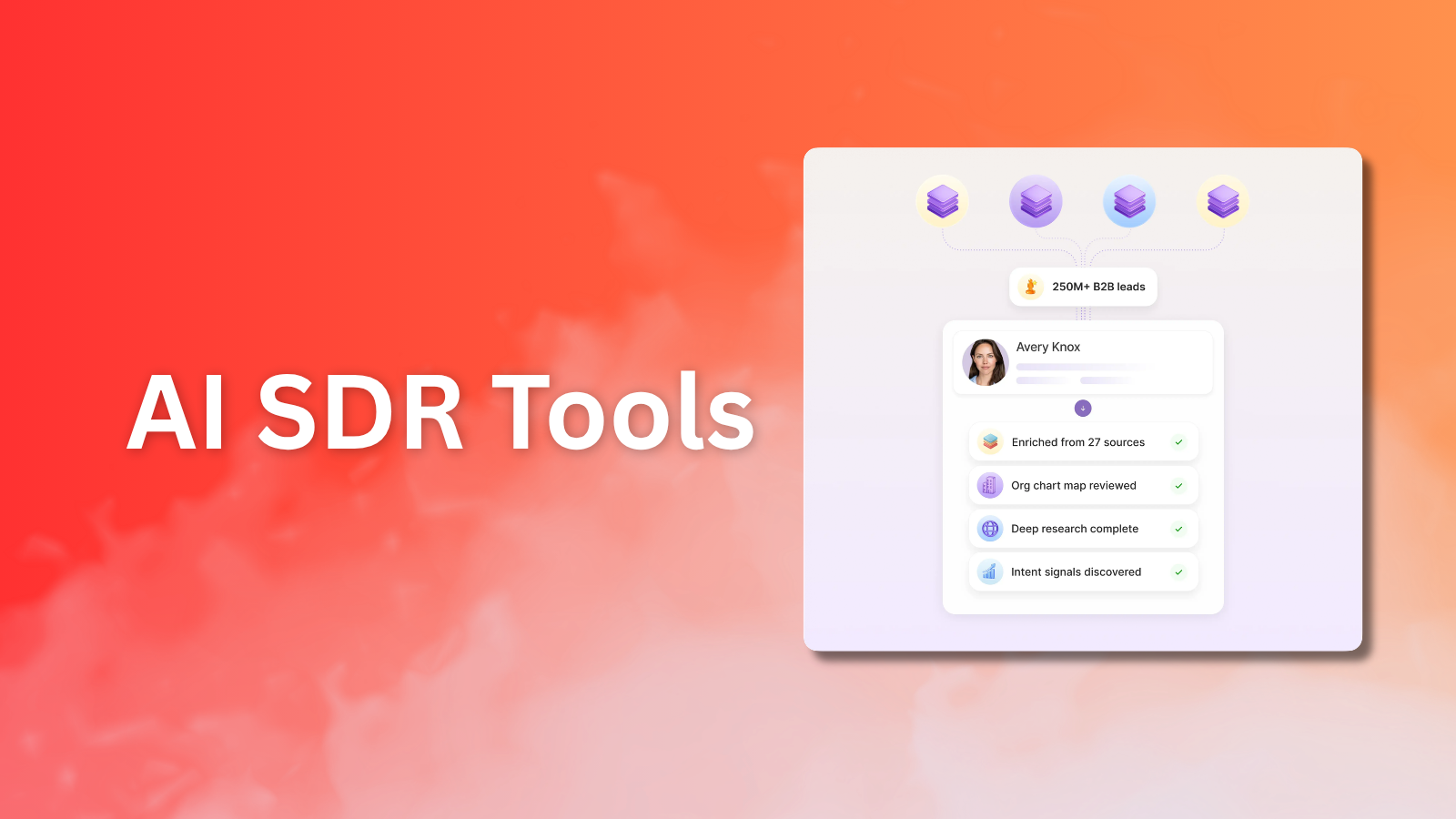
- Research prospects.
- Write personalized outreach.
- Build sequences.
- Send emails.
- Handle replies.
- Book meetings.
- Sync CRM activity.
The problem is that vendors use the same phrase for very different products. Clay is not the same thing as Artisan. Apollo is not the same thing as 11x. Instantly is not the same thing as Regie.ai.
So I group AI SDR tools by job, not by hype level.
Best AI SDR Tools To Evaluate
11x
11x offers AI digital workers for sales and GTM teams, including Alice as an AI SDR.
I would evaluate 11x if I wanted to test a more autonomous SDR model. The right questions are:
- Who controls targeting?
- Can humans review messaging?
- How are replies handled?
- What happens when the model is unsure?
- How does it protect deliverability?
Best for: companies ready to test AI SDR capacity with clear guardrails.
Artisan Ava
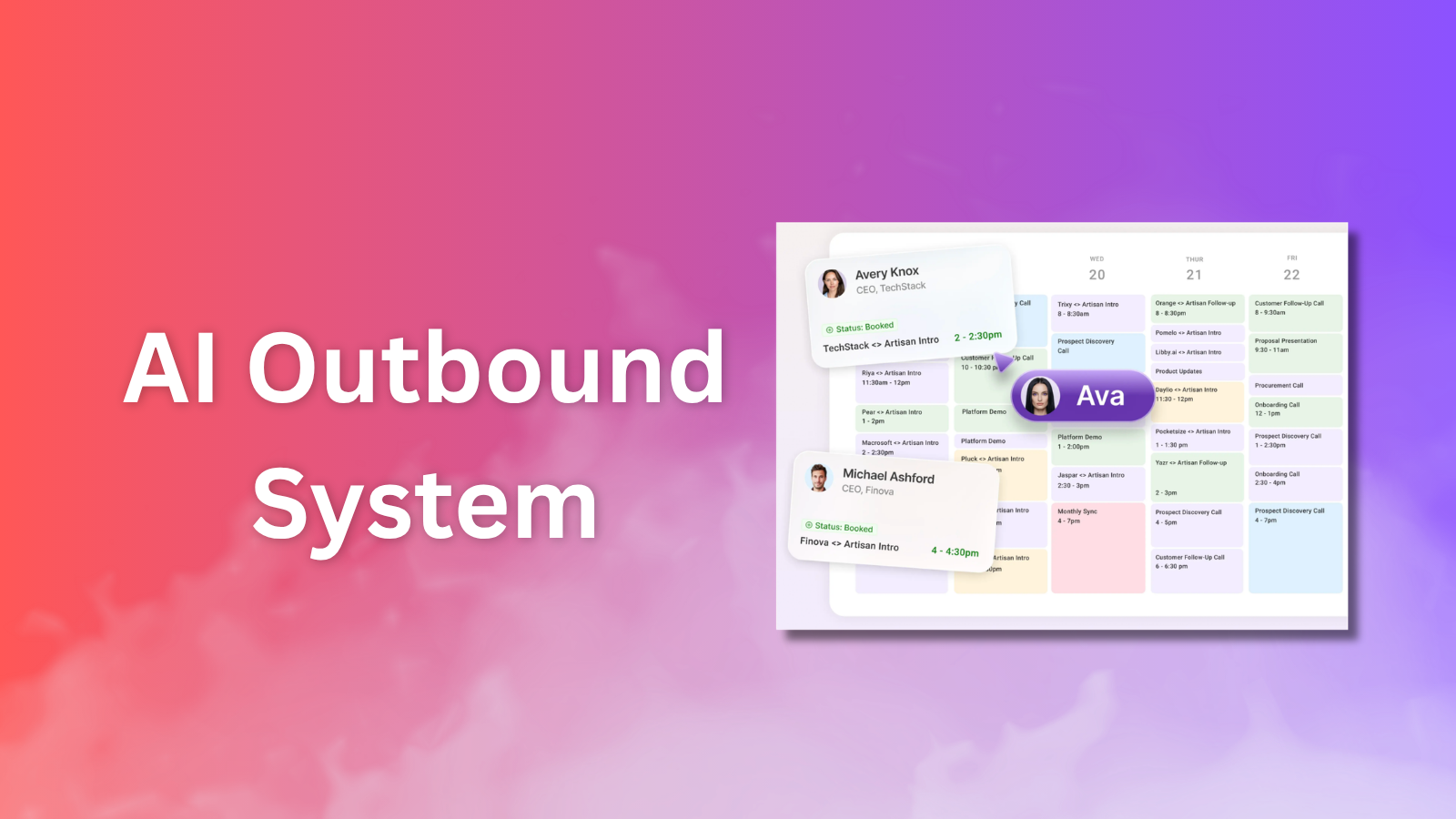
Artisan Ava is positioned as an autonomous AI sales agent that can find leads, write personalized outreach, handle replies, and book meetings.
The pitch is attractive because every GTM team wants more pipeline without adding headcount. But I would be careful with full autonomy until the outbound motion is already proven.
Best for: teams that want an AI BDR experiment and are willing to define strict controls.
Regie.ai
Regie.ai is an AI sales engagement platform built around AI agents and human reps working in the same motion.
This model is closer to how I think AI SDR should work for many teams: AI handles research, enrichment, messaging assistance, sequencing, and prioritization, while humans handle judgment and strategic conversations.
Best for: sales teams that want AI-assisted prospecting without removing reps from the loop.
AiSDR
AiSDR is built around AI sales development workflows, including prospecting and outbound engagement.
I would evaluate it against the same criteria as any AI SDR: data quality, message control, reply handling, CRM sync, and deliverability safety.
Best for: teams exploring automated SDR follow-up and prospecting.
Apollo
Apollo is an AI sales platform that combines data, engagement, enrichment, and AI assistance.
Apollo is useful when you want database access and outbound execution in one place. It is often easier to start with than a custom multi-tool system.
Best for: founders and SDR teams that need a practical first outbound platform.
Clay
Clay is not an AI SDR by itself, but it can power a better AI SDR system.
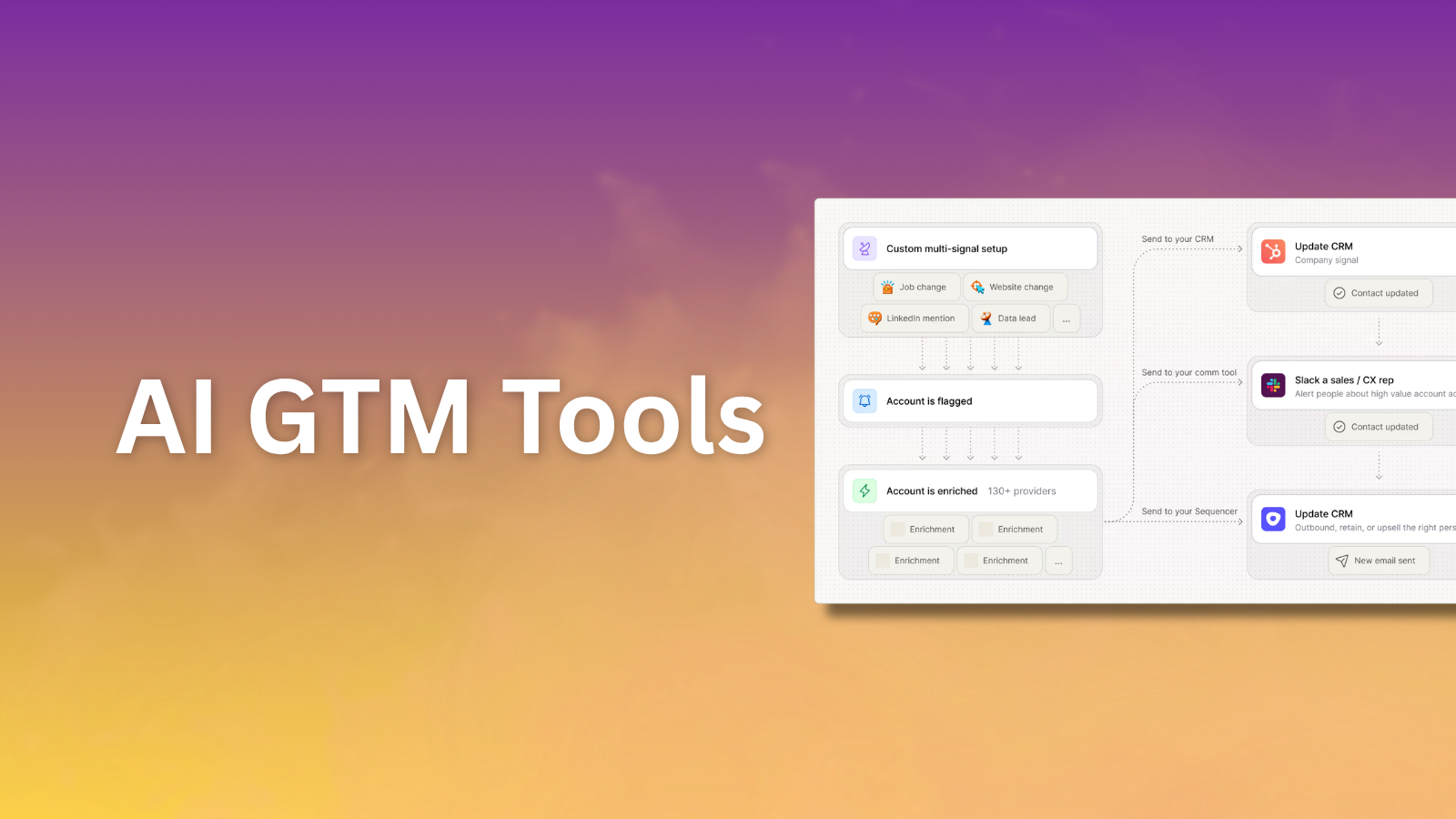
Use Clay for account research, enrichment, signal capture, scoring, and personalization inputs. Then push the output into a sending tool or CRM.
Best for: teams that want more control over the research and data layer.
Instantly
Instantly is an outbound execution platform for lead finding, cold email, deliverability, and campaign management.
It can support AI-assisted outbound, but I would not treat it as the strategy. It is the sending and execution layer.
Best for: cold email campaign execution.
Smartlead
Smartlead is another strong cold email platform, with a focus on scaling outreach, deliverability, sender management, and reply workflows.
Best for: teams that need cold email infrastructure and centralized inbox management.
Autonomy vs Control
| Model | Use when | Risk |
|---|---|---|
| Fully autonomous SDR | You have a proven ICP, clear guardrails, and appetite for experimentation | Bad targeting scales fast |
| AI-assisted SDR | You want reps to move faster while reviewing the important work | Requires process discipline |
| Workflow-powered outbound | You want maximum control over data, research, personalization, and sending | More setup work |
My default recommendation is the middle path: use AI to reduce manual work, but keep humans involved in targeting, messaging, and quality control.
Deliverability Notes
Any AI SDR stack needs basic outbound discipline:
- Verify emails.
- Warm domains carefully.
- Keep volume controlled.
- Segment by ICP and signal.
- Avoid over-personalized nonsense.
- Review samples before sending.
- Track positive replies, not only opens.
AI can make bad outbound faster. That is not a win.
My Recommendation By Team Type
Founder-led sales
Start with Apollo, Clay, and a simple sending tool. Keep control high.
SDR team with existing process
Evaluate Regie.ai, Apollo, Clay, Smartlead, and Instantly. Use AI to reduce research and sequencing work.
Team testing autonomous SDRs
Evaluate 11x, Artisan, and AiSDR, but define guardrails before launch.
Related Reading
- How to Build an AI Outbound System
- Clay vs Apollo
- Clay Alternatives
- Best AI GTM Tools
- Best AI Growth Tools for B2B SaaS